
Selling Your Parents' House in St. Louis: A Family Guide to Selling As-Is
By Nick Thiele, Owner of Next Chapter Home ·
The short answer
- First confirm who has legal authority to sell: your parent, an agent under a valid power of attorney, a beneficiary named in a beneficiary deed, or a personal representative appointed in probate.
- You don't have to renovate or clean out the house first. Selling as-is to a local buyer skips repairs and showings; listing with an agent may bring a higher price for a house in good shape.
- Compare what you'd actually walk away with after repairs, commissions, closing costs and holding costs, not just the sale price.
Maybe Mom and Dad have moved into assisted living. Maybe you've inherited the house you grew up in. Or maybe you're helping a parent downsize after 40 years in the same home.
Whatever brought you here, figuring out what to do with the house can feel overwhelming.
There's the paperwork, the repairs, the belongings, and the memories. And somewhere in the middle of everything, you have to figure out what to do next.
I'm Nick Thiele, owner of Next Chapter Home. My wife and I run a local, family-owned home-buying and renovation business here in the St. Louis area.
I've seen how much a home can mean to a family. It's more than four walls and a roof. It's where holidays were celebrated, kids grew up, and decades of memories were made.
And when it's time to sell that home, the process doesn't always feel simple.
Whether you're dealing with an inherited property, helping a parent move, or navigating probate, this guide will walk you through what to consider, what Missouri law may require, and how to decide what's best for your family.
Step 1: Figure Out Who Can Legally Sell the House
Before you start thinking about repairs, real estate agents, or cash offers, there's an important question to answer:
Who has the legal authority to sell the property?
In Missouri, the answer depends on how the home is owned and your family's circumstances.
If your parent is still living
If Mom or Dad still owns the home and has the legal capacity to make decisions, they can generally sign the documents to sell it.
If they're unable to manage the transaction themselves, someone acting under a valid power of attorney may be able to help. The document must authorize the necessary real estate transaction.
A title company or Missouri real estate attorney can help determine whether the paperwork is sufficient.
If your parent passed away and had a beneficiary deed
Missouri allows homeowners to record a beneficiary deed, which names who should receive the property after the owner's death.
When properly prepared and recorded before death, a beneficiary deed can allow the home to transfer directly to the named beneficiary without going through probate for that property.
The beneficiary will still need to complete the necessary documentation to establish ownership and sell the home.
If your parent passed away without a beneficiary deed
The property may need to go through Missouri's probate process, depending on how it was titled and whether other estate-planning arrangements exist.
Probate is the legal process used to address a deceased person's estate, including debts, assets, and the transfer of property.
When probate is required, the court may appoint a personal representative to manage the estate. Whether that person can sell the house, and whether court approval is required, depends on the circumstances and type of estate administration.
The good news? You don't necessarily have to wait until every estate matter is resolved to begin exploring your options.
You can start learning about the home's value and speaking with potential buyers while the legal process is underway. Any binding sale agreement must be made by someone with the proper authority, and closing must satisfy the applicable legal and title requirements.
This is general information, not legal advice. Every estate is different. We recommend speaking with a Missouri probate attorney about your specific situation.
Step 2: What If Your Parent Is Moving Into Assisted Living?
Not every family selling a parent's home is dealing with an inheritance.
Sometimes Mom or Dad is moving into assisted living, downsizing, or transitioning to a home that's easier to maintain.
These situations can come with their own challenges.
Maybe the house has stairs that are becoming difficult to navigate. Maybe the upkeep has become too much. Or maybe your parent simply needs to be closer to family and additional care.
Meanwhile, the house still needs maintenance, utilities, insurance, and property taxes.
If the home hasn't been updated in decades, preparing it for a traditional sale could mean coordinating contractors, cleaning out rooms, and spending money on improvements.
And that's a lot to manage when your focus is on helping someone you love.
Do you have to renovate the house before selling?
No.
You can explore selling the property in its current condition, commonly called selling as-is.
For some families, a traditional listing makes the most financial sense. For others, the convenience of selling directly to a local buyer is worth considering.
The right decision depends on the home's condition, your parent's needs, and your family's priorities.
At Next Chapter Home, we work with families who want to explore a simpler way to sell without spending months preparing a property.
Whether you need to coordinate a closing around a move or simply want to understand your options, we're happy to have that conversation.
Step 3: Decide Whether to Fix Up the House or Sell As-Is
One of the first things families ask is:
“Should we fix the house up before we sell it?”
There's no universal answer.
A home that's been well-maintained and recently updated may be a great candidate for a traditional listing.
But what about a house that hasn't seen major improvements in 30 or 40 years?
Maybe the kitchen still has its original cabinets. The furnace is getting older. The basement needs attention, and the bathrooms haven't been remodeled since the kids were little.
Those projects can add up quickly.
Before deciding to renovate, consider three things.
1. The time involved
Renovating a house takes time, especially when you're coordinating multiple contractors.
And while the work is happening, the property may continue accumulating utility bills, insurance costs, taxes, and other expenses.
2. The money involved
A new roof, updated kitchen, or major mechanical repair can cost thousands of dollars.
Before investing that money, it's important to understand whether the improvements are likely to increase your net proceeds enough to justify the expense.
3. The energy involved
This one often gets overlooked.
When you're handling a parent's estate, managing a move, or caring for family members, a renovation project may be the last thing you want to take on.
Selling as-is gives you another option.
Instead of coordinating repairs yourself, you sell the home in its current condition, with the buyer accounting for the needed improvements in their offer.
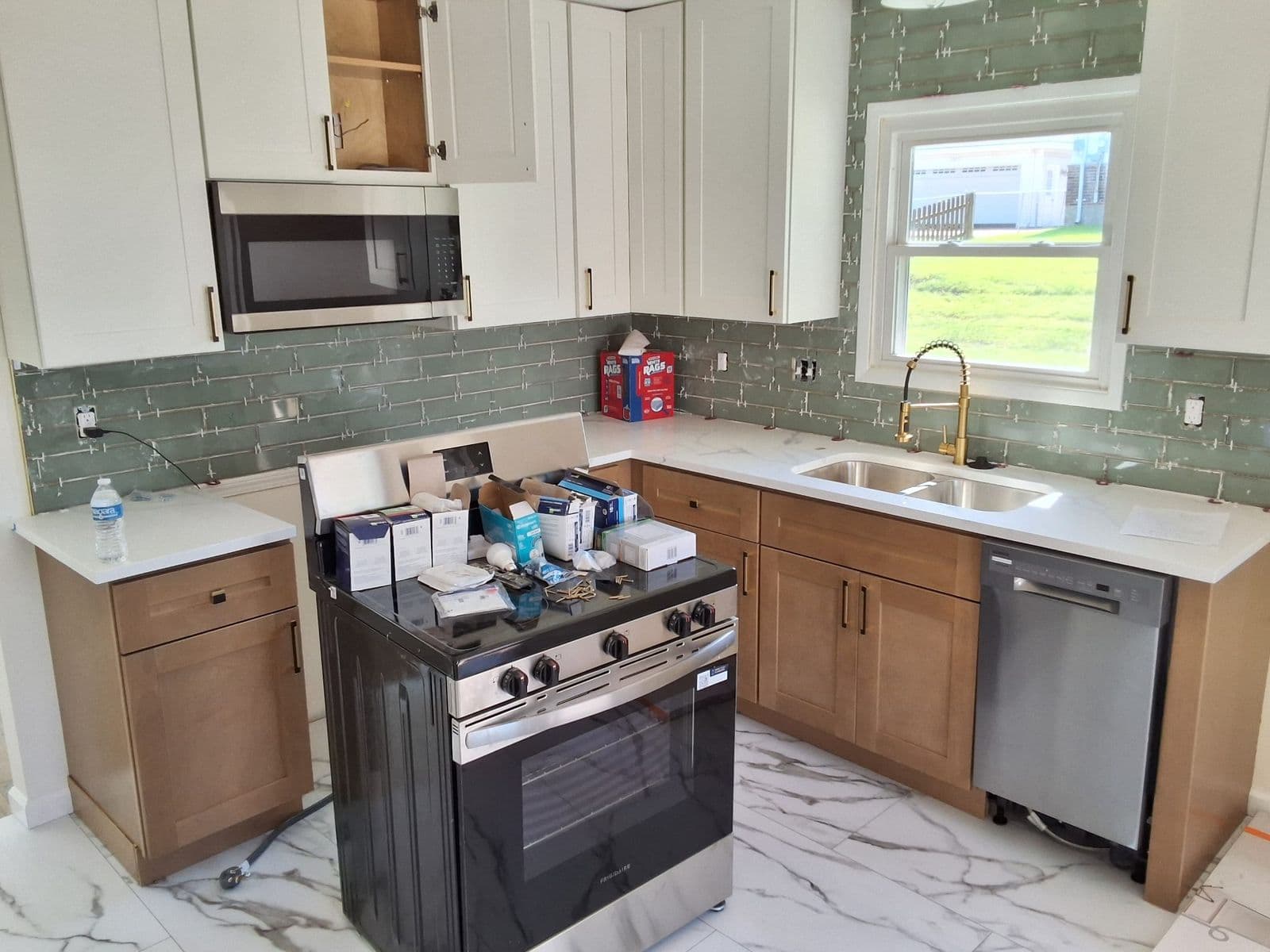
Selling as-is doesn't eliminate every legal requirement or disclosure obligation, but it can remove much of the physical work involved in preparing the home.
Step 4: Compare Listing With an Agent vs. Selling for Cash
At Next Chapter Home, we believe families should understand their options before making a decision.
A traditional real estate listing can sometimes result in a higher sale price, especially for homes in good condition.
A direct cash sale may offer a simpler process, fewer preparations, and more flexibility.
Here's how the two approaches generally compare.
| Topic | Traditional listing | Direct sale to Next Chapter Home |
|---|---|---|
| Repairs | May be needed or negotiated | No repairs required |
| Cleaning | Usually prepared for photos and showings | Leave unwanted items as agreed |
| Showings | May require multiple appointments | Typically one walkthrough |
| Agent commissions | Negotiated when using an agent | No agent commission charged by us |
| Financing | May depend on buyer's lender | No mortgage financing contingency |
| Closing | Depends on contract, financing, and title | Flexible, subject to title and legal requirements |
| Sale price | May achieve a higher price | Reflects needed repairs and resale costs |
So which option is better?
It depends on what matters most to your family.
If maximizing the sale price is your biggest priority and you have the time and resources to prepare the house, listing with an agent may make sense.
If you want to avoid repairs, showings, cleanout, and a lengthy preparation process, a direct sale may be worth considering.
Consider repairs, commissions, closing costs, ongoing expenses, and the time involved.
You deserve to make an informed decision.
Step 5: What If You Don't Know What Your Parents' House Is Worth?
This is one of the most common concerns families have, especially with older properties.
Maybe you know the house needs work, but you have no idea how much.
The kitchen is outdated, the carpet has seen better days, and there's a list of repairs that nobody ever got around to.
Does that mean the house isn't worth much?
Not necessarily.
Every property is different, and an older home can still have significant value.
When we look at a property at Next Chapter Home, we consider its location, current condition, necessary repairs, and what it may be worth after renovation.
Our cash offer reflects those factors, along with the costs and risks involved in purchasing and improving the house.
You don't have to know what everything will cost to repair before reaching out.
You don't have to hire contractors for estimates.
And you certainly don't have to renovate the kitchen just to find out what someone might offer.
Sometimes the first step is simply understanding your options.
If a cash offer makes sense, great. If listing with an agent could be a better fit, we'll tell you that, too.
Find out what we could offer for your home
Step 6: What Do You Do With All the Belongings?
For many families, this is the hardest part of the entire process.
It's not the paperwork or the selling price.
It's the closets full of clothes, the boxes in the basement, the dishes in the kitchen, and the furniture that's been there for as long as anyone can remember.
Sorting through decades of belongings is both physically and emotionally exhausting.
My advice is to take it one step at a time.
- Start with what matters most. Family photos, important documents, keepsakes, recipes, and anything with sentimental value should come first.
- Give family members a chance to participate. When appropriate, make sure everyone involved has an opportunity to identify belongings they'd like to keep.
- Set aside important paperwork. Look for wills, deeds, insurance policies, financial documents, and other records that may be needed by the estate's attorney or title company.
- Don't feel like everything has to be handled at once.
If you're selling a home through Next Chapter Home, you can take the items you want to keep and, as agreed, leave unwanted furniture and belongings behind.
We'll handle the remaining cleanout as part of our renovation process.
If the home is part of an estate, make sure the person with legal authority has approved how the belongings will be handled.
You shouldn't have to spend weeks clearing out a house just to explore selling it.
A St. Louis Family's Story: Sometimes Helping Comes First
A few years ago, I had the opportunity to help a local family build a wheelchair ramp at their home.
At the time, I wasn't there to buy their house.
I was simply helping a family that needed a hand.
Years passed, and unfortunately, the parents passed away.
Like so many families in that situation, their loved ones were left with the responsibility of figuring out what to do with the home.
Because we already knew each other, they reached back out.
This time, I was able to help in a different way.
Through Next Chapter Home, we were able to purchase the property and give the family another option for moving forward.
What started years earlier with helping build a wheelchair ramp eventually turned into another opportunity to be there when that family needed something different.
And to me, that's what this business is really about.
Every family has different circumstances. Every house has its own history.
Sometimes the most important thing we can offer isn't just a cash offer. It's an option, a familiar face, and someone willing to help navigate what comes next.
That's the kind of business my wife and I want Next Chapter Home to be.
One built on relationships, trust, and doing right by the people we work with.
How Next Chapter Home Helps Families Sell Their Homes in St. Louis
We're a local, family-run business that purchases and renovates homes throughout the greater St. Louis area, including St. Louis County, Florissant, Hazelwood, and St. Charles County.
When you contact Next Chapter Home, you're not reaching out to a national call center.
You're talking with local people who know the communities, understand older homes, and are personally involved in the properties we purchase.
Here's what working with us looks like.
1. Reach out and tell us about the house
Give us a call at (314) 714-5050 or contact us online.
Tell us a little about the property and your situation. You don't have to know every detail.
We aim to follow up personally within 24 hours.
2. We'll schedule a walkthrough
We'll find a convenient time to visit the property, take a look at its condition, and talk through any questions you have.
No staging. No cleaning beforehand. No pressure to make repairs.
3. We'll make a straightforward cash offer
After evaluating the home, we'll explain what we can offer and how we arrived at that number.
There are no agent commissions charged by Next Chapter Home when you sell directly to us.
And there's no obligation to move forward if our offer isn't right for you.
4. We'll work with your timeline
Some families want to close as quickly as possible.
Others need time to arrange a move, sort through belongings, or handle estate paperwork.
We work with you to find a closing date that makes sense, subject to the necessary title and legal requirements.
5. Your home gets its next chapter
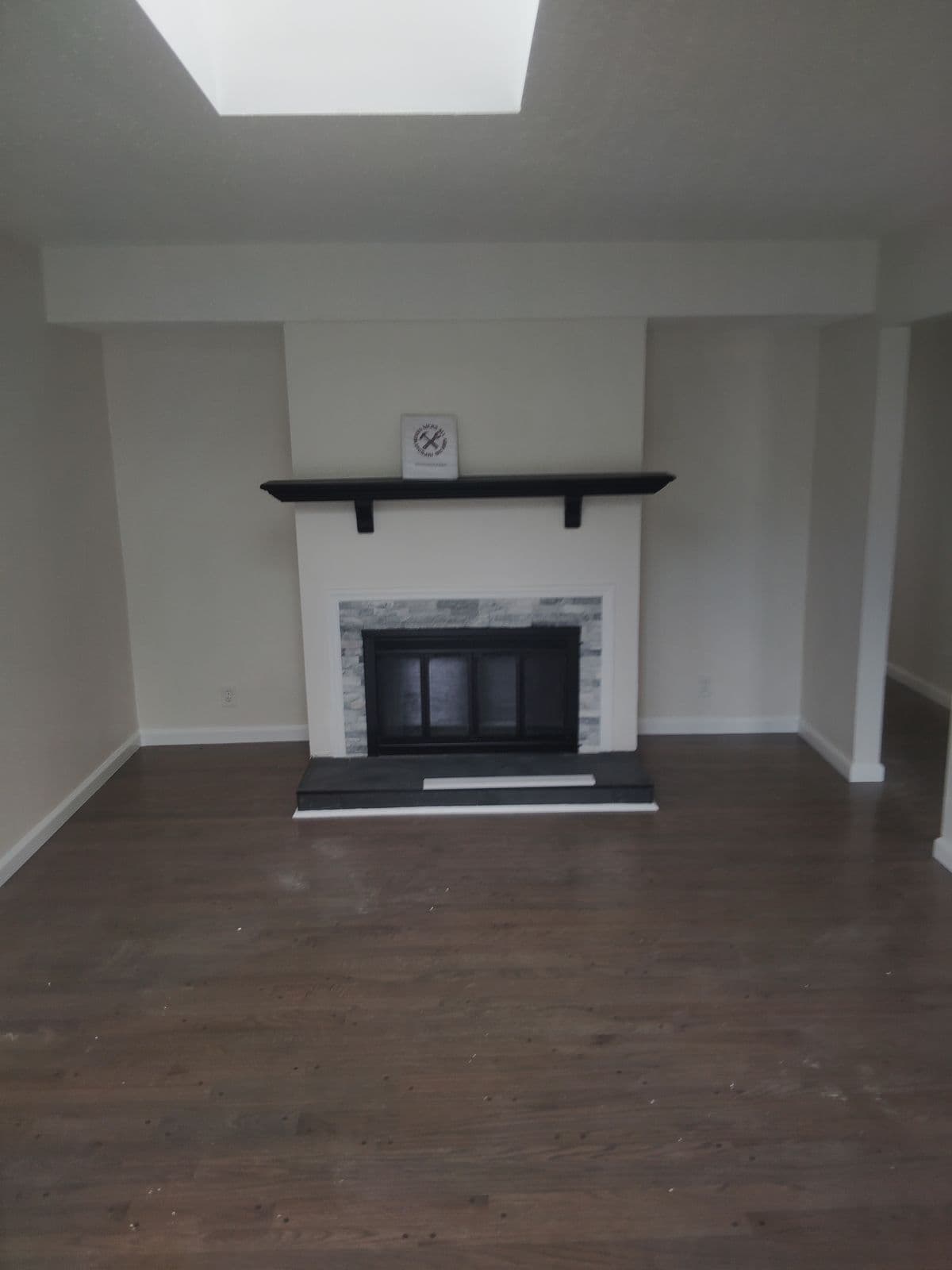
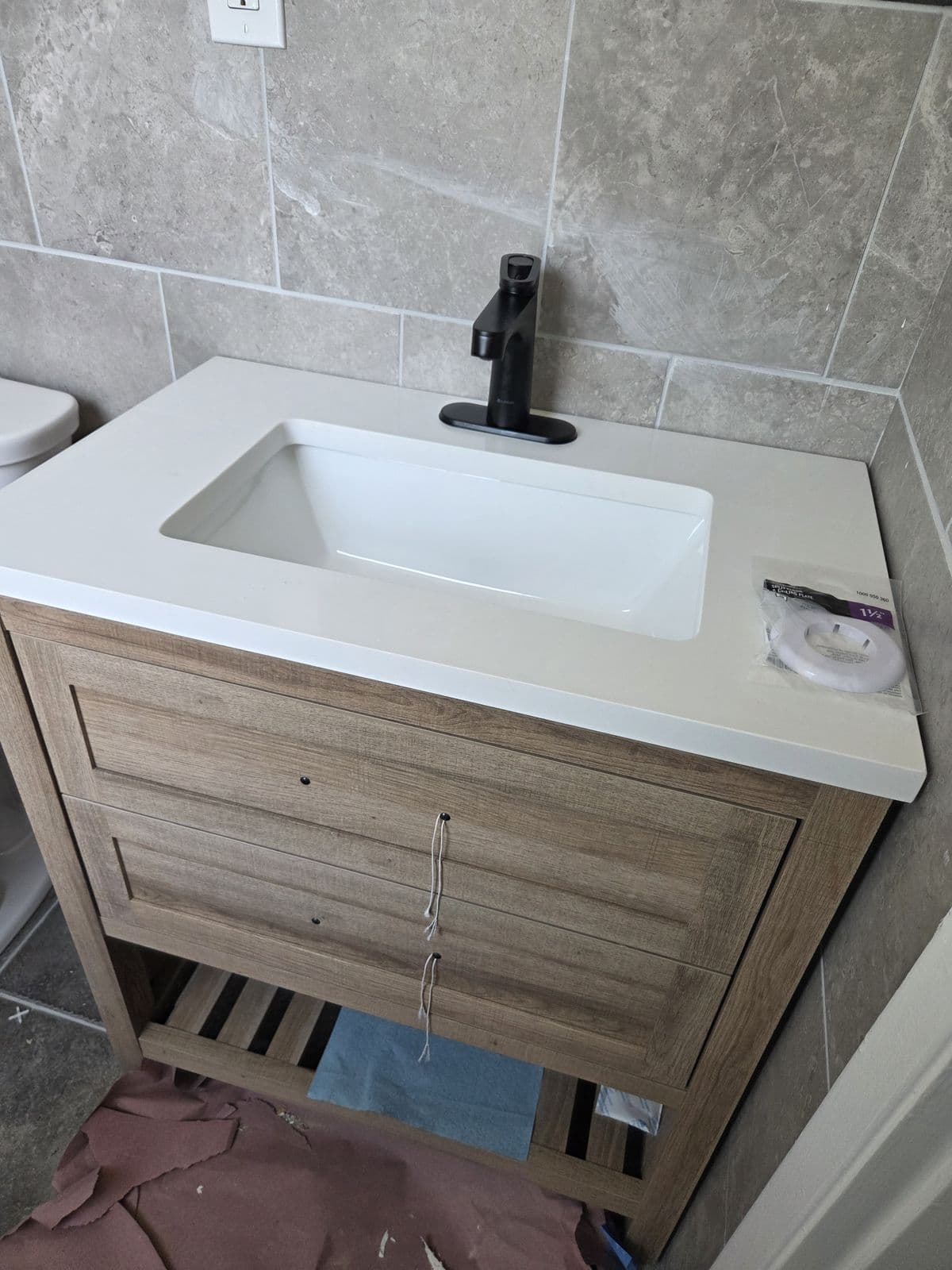
Once we purchase a home, our goal is to renovate it with care and attention.
That might mean updating the kitchen, improving the layout, replacing aging mechanical systems, or giving a well-loved home the improvements it needs for the next family.
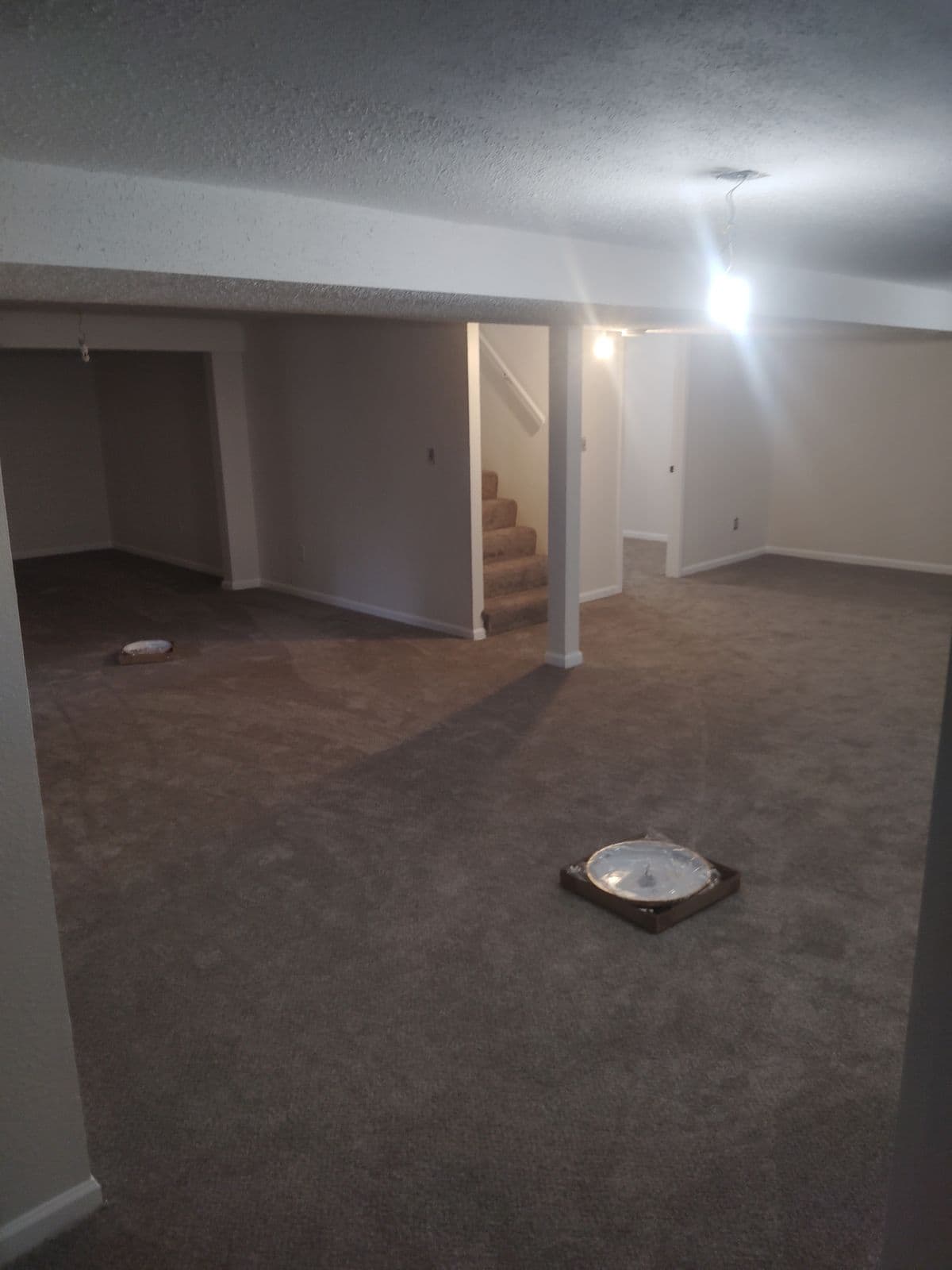
We believe older homes still have a lot of life left in them.
And we're proud to play a part in bringing that potential back.
Learn more about how our process works
Our Seller Promise
We treat your family's home with respect, integrity, and craftsmanship — preparing it to become a Next Chapter Home for the next family who will love it.
Frequently Asked Questions
Can I sell my parents' house while it's in probate in Missouri?
Yes, a house may be sold during probate in Missouri, but the transaction must be handled by someone with the appropriate legal authority. Depending on the estate and how it's administered, court approval may be required. You can explore offers before the estate is ready to close, but a Missouri probate attorney should confirm who can enter into a binding sale agreement.
Can I sell my parents' house if they're still alive?
Yes, if your parents own the house and have the legal capacity to sell it, they can generally do so. If they cannot handle the transaction themselves, an authorized agent under a valid power of attorney may be able to act for them. Being someone's child does not automatically give you authority to sell their property.
Do I have to clean out my parents' house before selling it?
Not necessarily. When selling directly to Next Chapter Home, families can take the items they want and arrange to leave unwanted furniture and belongings behind. The details are agreed upon before closing. Estate property must be handled by someone with the appropriate authority.
Do I need to make repairs before selling an inherited home?
No. You can sell an inherited house as-is. Next Chapter Home purchases properties that need repairs, including homes with outdated kitchens, aging roofs, old mechanical systems, and other maintenance needs. Our offer accounts for the condition of the property.
How quickly can I sell my house for cash in St. Louis?
Some direct cash sales can close in approximately two weeks when title is clear and the necessary paperwork is ready. Other transactions take longer, especially if probate or other legal matters are involved. Next Chapter Home works with sellers to arrange a practical closing timeline.
What is a beneficiary deed in Missouri?
A beneficiary deed is a document that allows a Missouri property owner to designate who will receive an interest in the property upon the owner's death. When properly executed and recorded before death, it can transfer the property outside of probate. Other ownership arrangements, including certain trusts and survivorship deeds, can also affect how a property transfers.
Does Missouri have an inheritance tax?
Missouri does not currently impose a state inheritance tax or estate tax. However, federal tax rules and potential capital gains taxes may still apply depending on the circumstances. A qualified tax professional can help you understand the implications of selling inherited property.
Do I have to pay real estate commissions when selling directly to Next Chapter Home?
No agent commission is charged by Next Chapter Home when you sell directly to us. If you've separately hired a real estate agent, any obligations under that agreement should be reviewed.
What areas does Next Chapter Home buy houses in?
We purchase homes throughout the greater St. Louis area, including St. Louis County, North County communities such as Florissant and Hazelwood, and St. Charles County. If you're unsure whether your property is within our buying area, give us a call.
Every Home Has a Story. We're Here for What Comes Next.
Selling your parents' home isn't always an easy decision.
There may be decades of memories inside those walls. There may be uncertainty about what comes next. And there may be a long list of things you feel like you need to accomplish before the house can be sold.
But you don't have to figure everything out on your own.
Whether you're handling an inherited property, helping a parent transition into assisted living, or simply wondering what an older home might be worth, we're here to offer another option.
At Next Chapter Home, our goal isn't just to purchase houses.
It's to help families move forward while giving well-loved homes the opportunity for a new beginning.
And if we're not the right fit, that's okay, too.
We're happy to have an honest conversation about your options.
Ready to explore selling your parents' home?
Request a no-obligation cash offer
Or call us directly at (314) 714-5050.
Next Chapter Home — Helping homes and families begin their next chapter.
Helpful Missouri resources
- Missouri Bar — Probate Law Resource Guide
- Missouri Revised Statutes § 461.025 — Beneficiary Deeds
- Missouri Revised Statutes § 461.031 — Effect of Beneficiary Designations
This article is provided for general educational purposes and does not constitute legal, financial, or tax advice. Real estate and probate matters vary by situation. Consult qualified Missouri professionals for guidance regarding your circumstances.